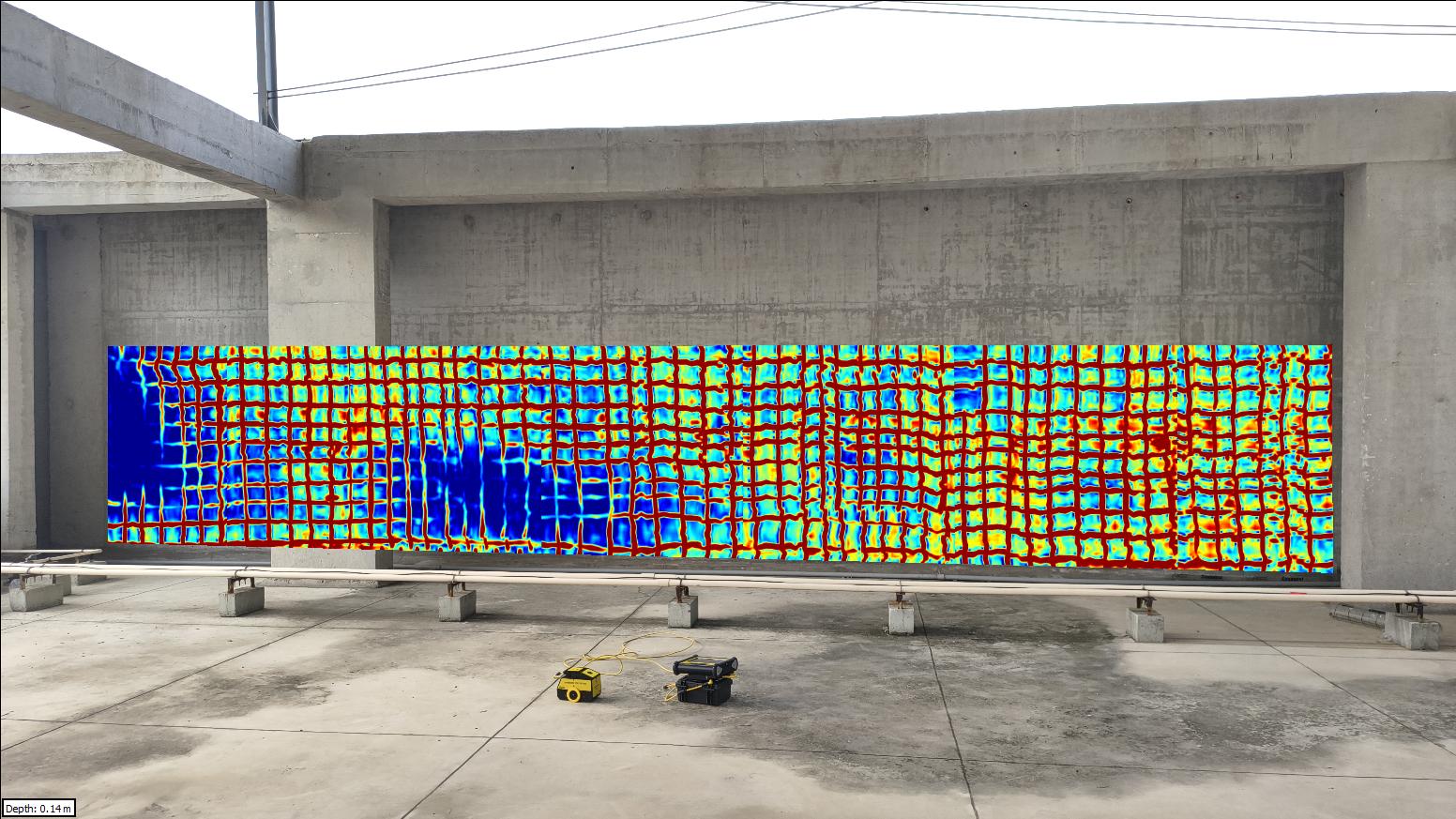
Culvert Health Monitoring using Ground Penetrating Radar (GPR)

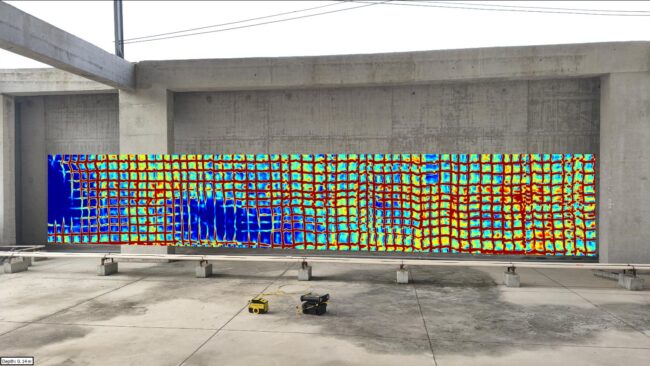
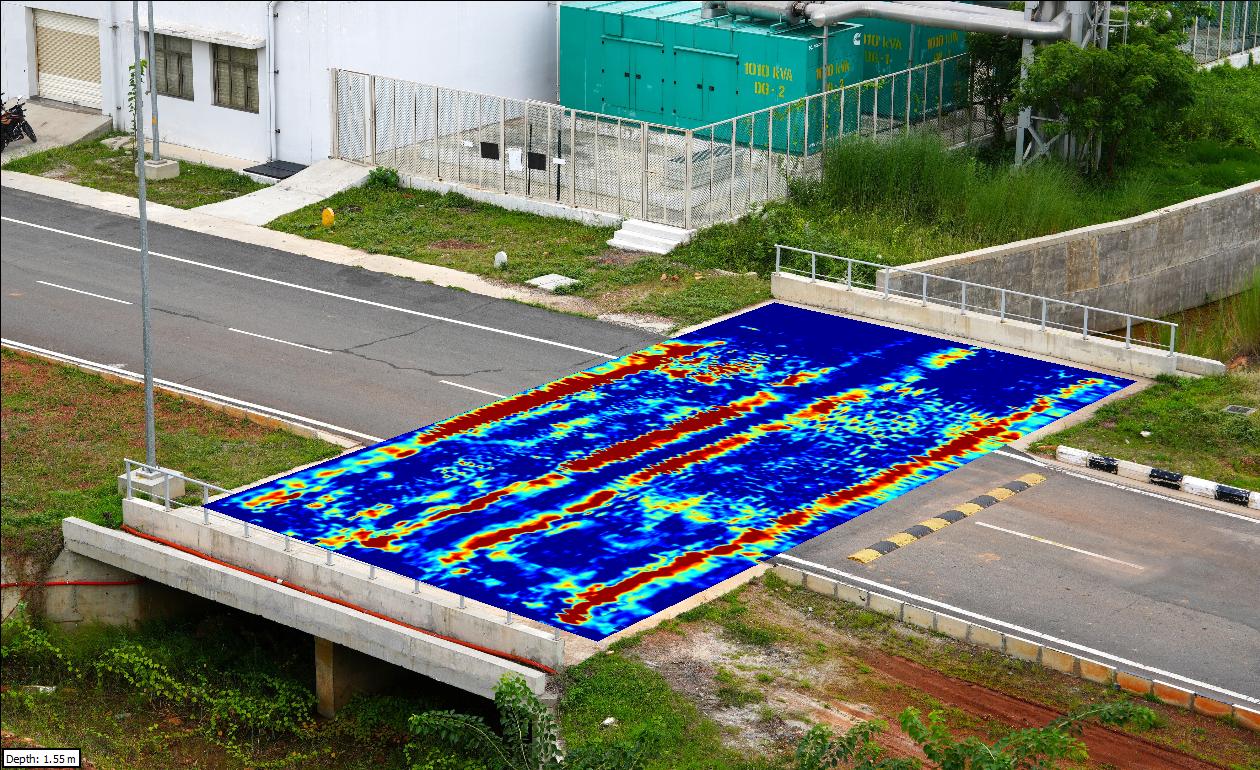
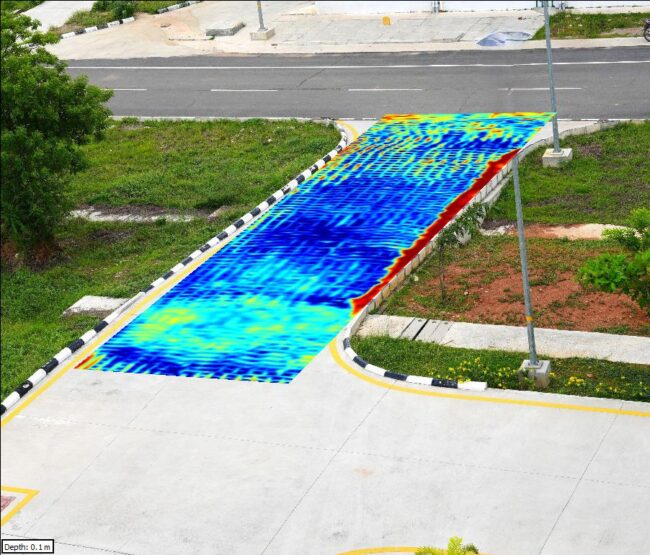
Culvert Health Monitoring using Ground Penetrating Radar (GPR) Problem Statement  Reinforced concrete culverts are critical components in transportation and drainage infrastructure, ensuring safe water conveyance and load transfer. Over time, these structures are subjected to traffic loading, environmental exposure, moisture ingress, chloride penetration, and material fatigue, which may lead to deterioration, corrosion of reinforcement, void…
Deep Subsurface Profiling and Geological Interface Mapping Using 50 MHz GPR

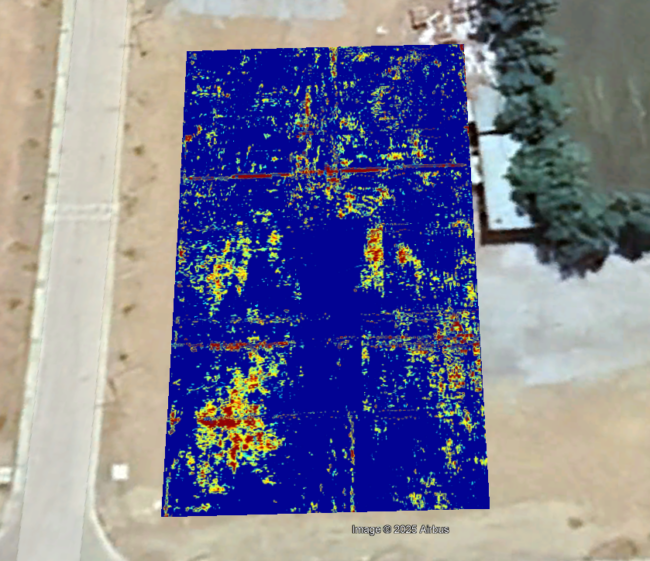
Deep Subsurface Profiling and Geological Interface Mapping Using 50 MHz GPR Problem Statement Understanding subsurface geological layering and bedrock variations is essential for site characterization, groundwater studies, and infrastructure planning. A low-frequency GPR investigation was conducted to evaluate deeper subsurface reflectors and geological variations beneath the lawn area in front of AB1 Building, IIT Tirupati.…

Detection and Mapping of Buried Metallic Objects at IIT Tirupati Using an Overhauser Magnetometer

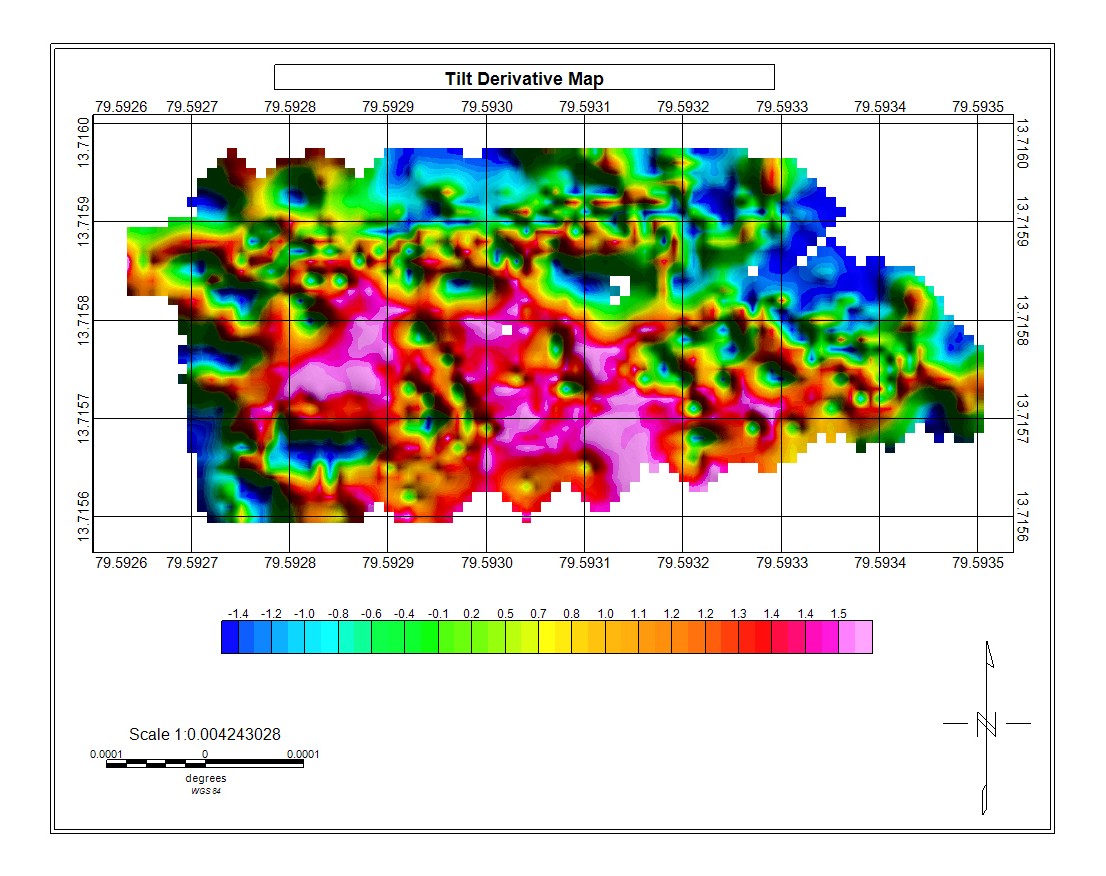
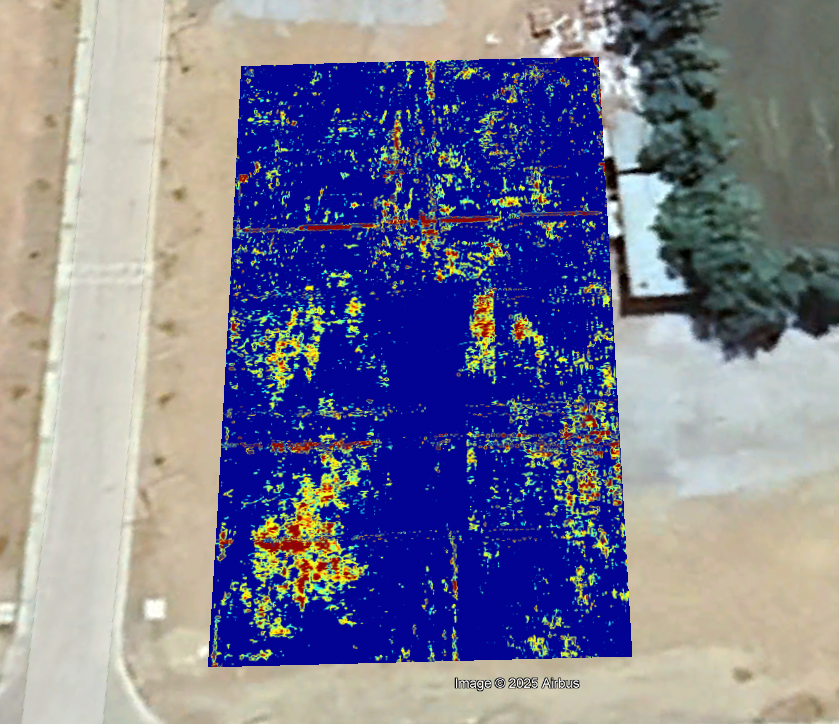
Detection and Mapping of Buried Metallic Objects at IIT Tirupati Using an Overhauser Magnetometer Problem Statement  Subsurface environments often conceal abandoned or undocumented metallic objects—such as buried pipes, metallic debris, discarded construction materials, utilities, and unidentified ferrous structures. Because these objects are not visible from the surface, they pose significant risks during excavation, construction, and…

Magnetic Mapping of IIT Tirupati Road Infrastructure Using an Overhauser Magnetometer

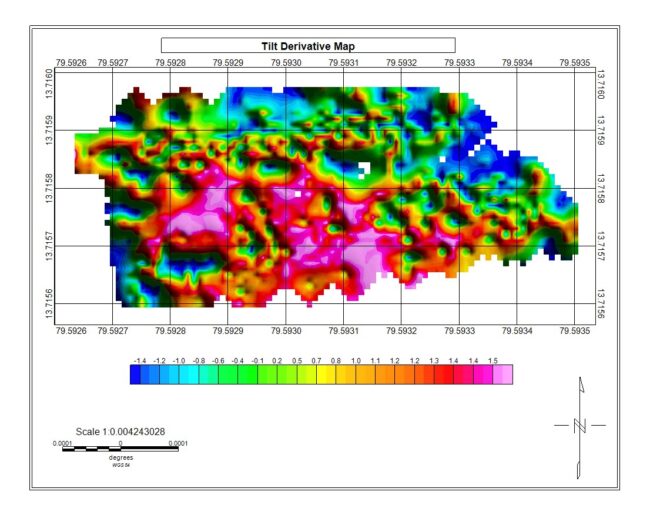
Magnetic Mapping of IIT Tirupati Road Infrastructure Using an Overhauser Magnetometer Problem Statement Road infrastructure often contains concealed metallic structures such as reinforced culverts, manhole covers, drainage components, buried metallic utilities, and other subsurface objects. Their locations may not be clearly visible from the surface, creating challenges for infrastructure mapping, maintenance, and future excavation planning.…

Concrete Slab Thickness and Subsurface Assessment using GPR

Concrete Slab Thickness and Subsurface Assessment using GPR Problem Statement Accurate determination of concrete slab thickness and assessment of underlying conditions are critical for evaluating the structural integrity and service life of built infrastructure. Traditional coring methods are invasive, time-consuming, and often compromise the structure. A non-destructive and high-resolution approach was required to measure slab…

Concrete Floor Mapping for Rebar Spacing and Safe Core-Cutting Location Identification Using 1000 MHz GPR 

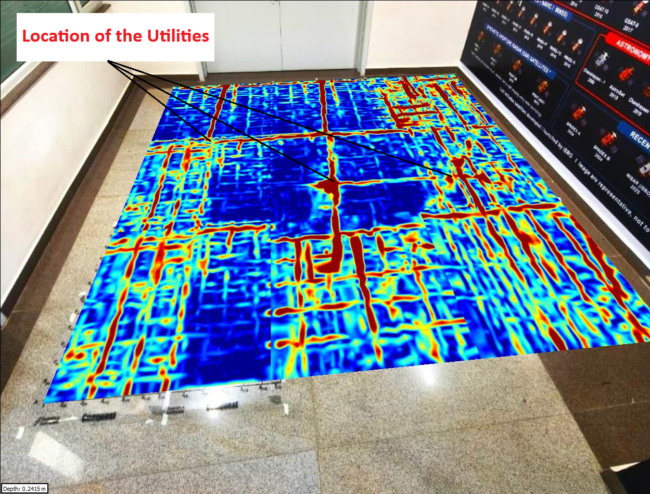
Concrete Floor Mapping for Rebar Spacing and Safe Core-Cutting Location Identification Using 1000 MHz GPR  Problem Statement Core extraction from reinforced concrete structures requires accurate knowledge of the reinforcement layout to prevent damage to rebars, embedded conduits, and other structural elements. Improper core placement can compromise structural integrity, increase repair costs, and pose safety risks.…

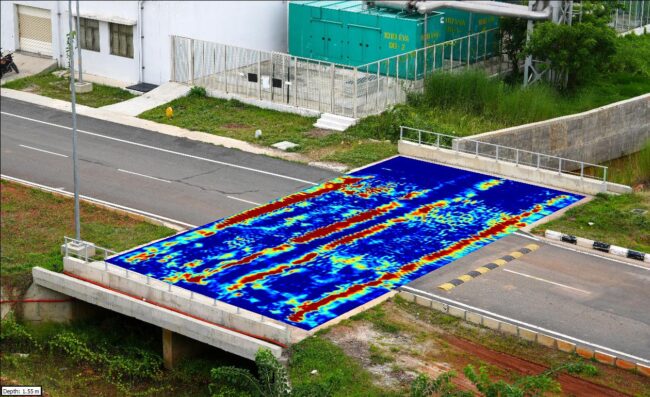
Road Pavement Layer Assessment using GPR

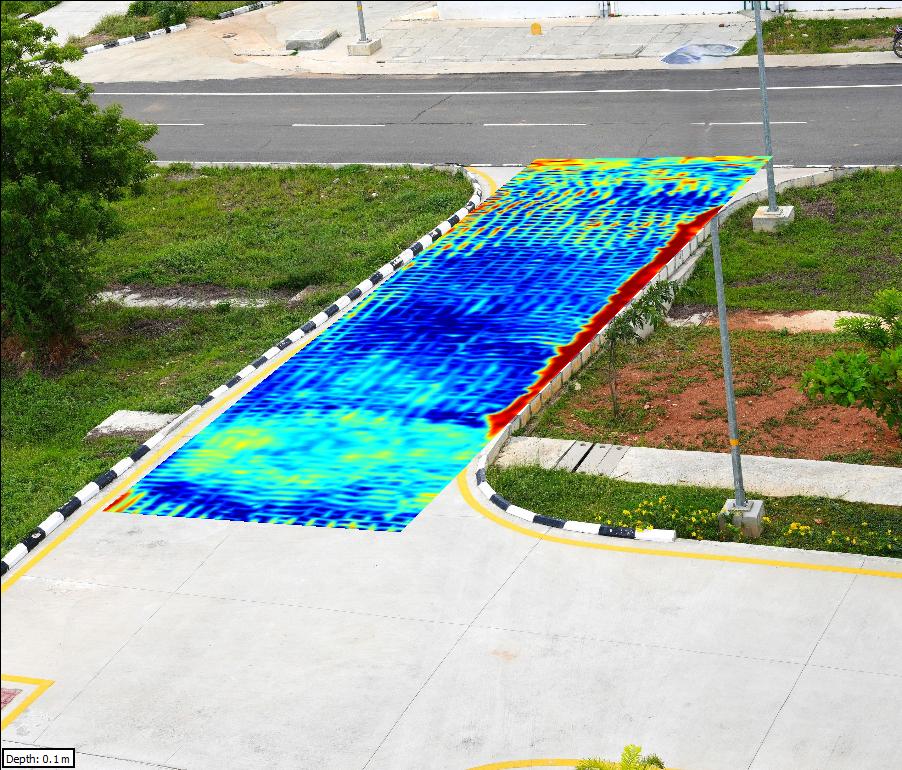
Road Pavement Layer Assessment using GPR Problem Statement Road pavements deteriorate over time due to traffic loads, moisture ingress, and material fatigue. Traditional destructive testing for thickness and condition assessment is time-consuming, costly, and disruptive to traffic. A non-invasive method was required to evaluate layer thickness, structural integrity, and hidden defects in road pavement systems.…

High-Resolution Rebar Spacing Mapping for Safe Core-Cutting Location Selection Using 1000 MHz GPR

High-Resolution Rebar Spacing Mapping for Safe Core-Cutting Location Selection Using 1000 MHz GPR Problem Statement Concrete core extraction requires precise knowledge of reinforcement layout, spacing, and cover depth to avoid cutting through rebars, embedded conduits, or other structural elements. Improper core placement can damage reinforcement, compromise structural integrity, and result in costly repairs. A high-resolution,…

Underground Pipe Network Detection using GPR

Underground Pipe Network Detection using GPR Problem Statement Efficient irrigation systems rely on well-laid underground pipelines, which are often difficult to detect once covered by soil and vegetation. Traditional pipe location methods require excavation or rely on as-built drawings, which may be inaccurate or unavailable. A non-invasive, high-resolution approach was needed to map the underground…

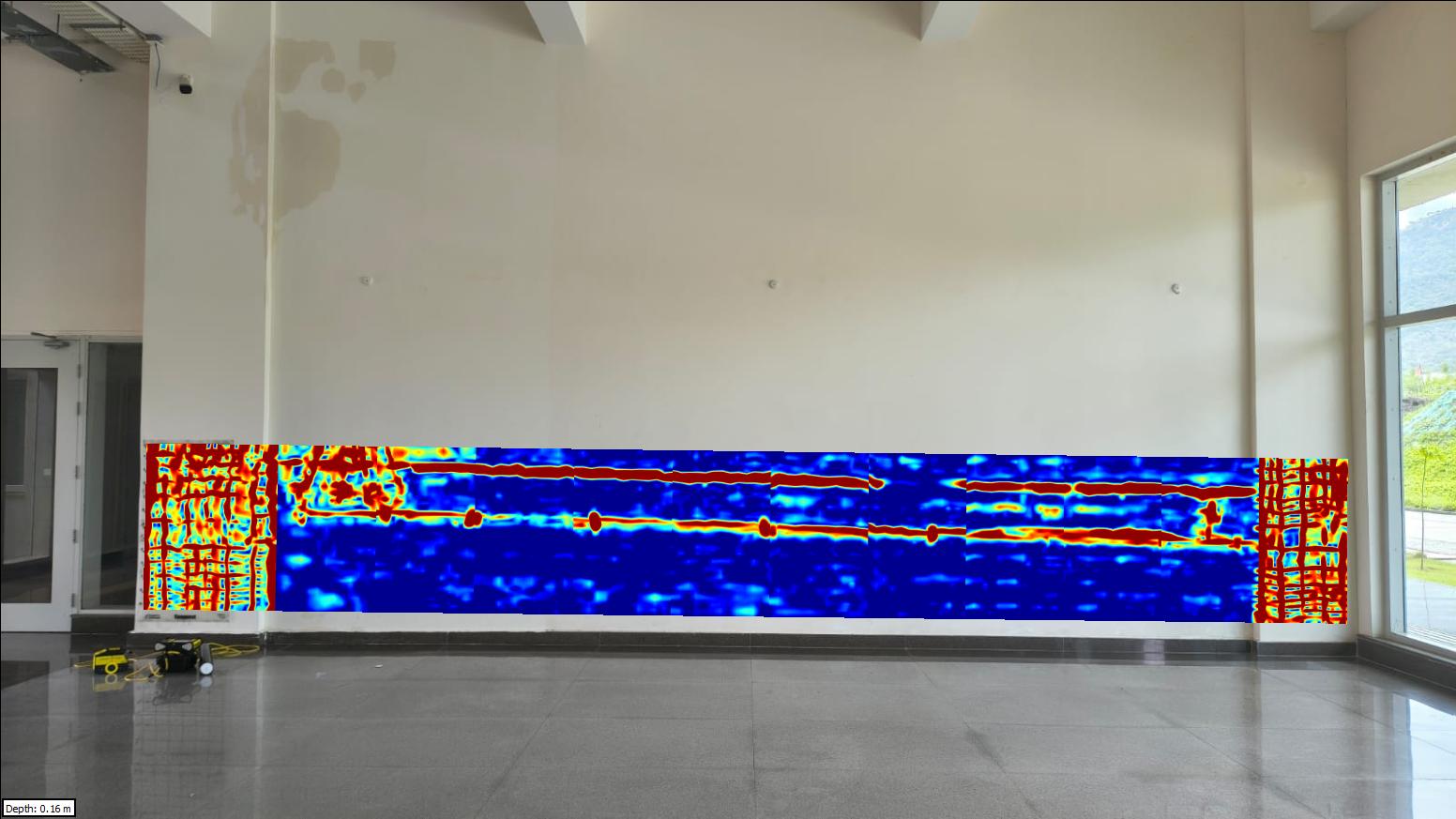
Concrete Conduit Mapping and Embedded Service Detection Using 1000 MHz GPR

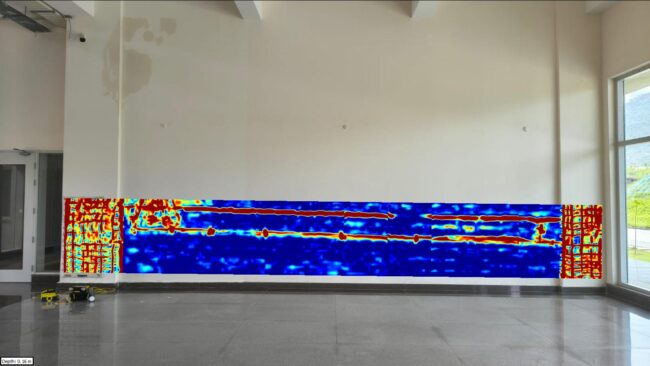
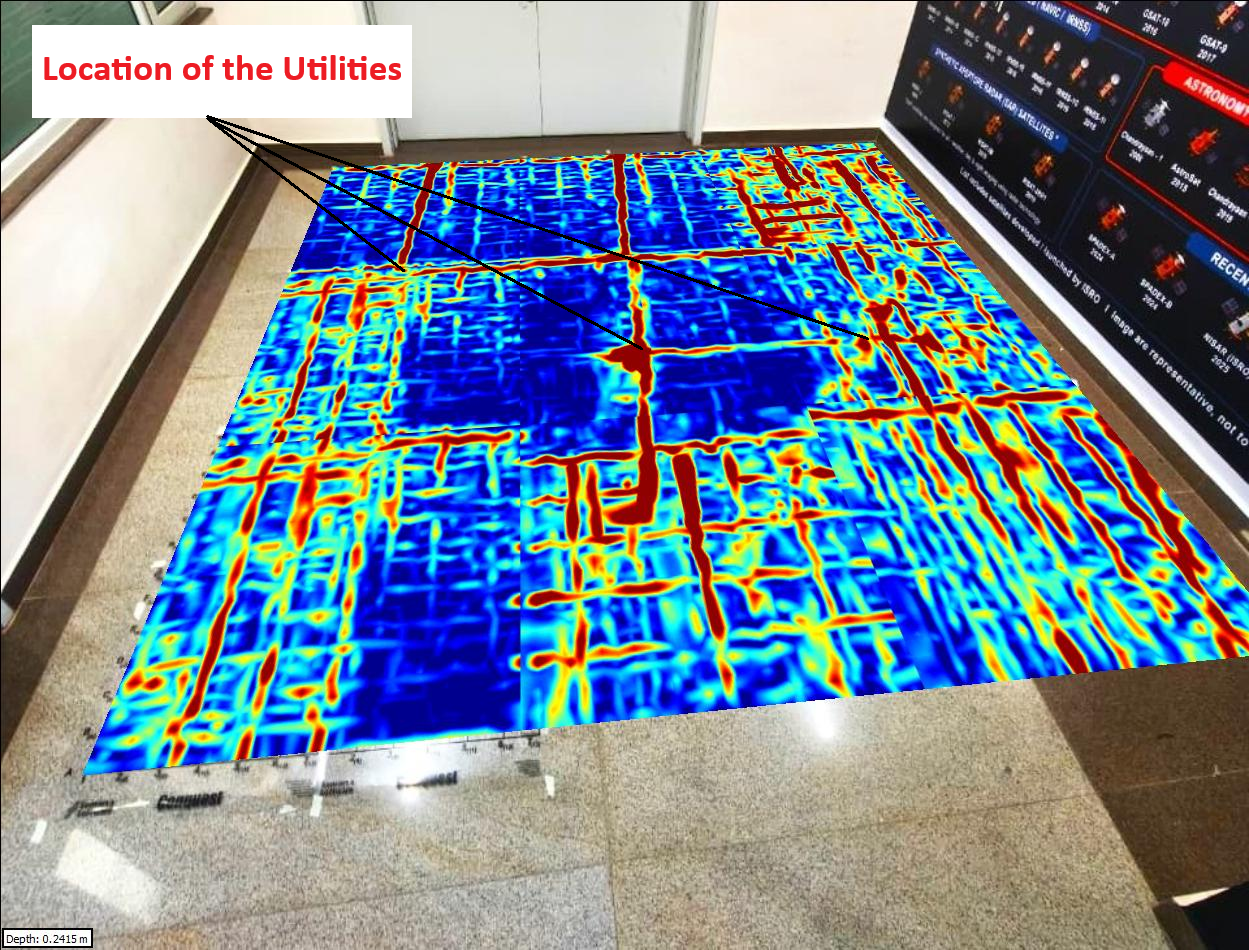
  Problem Statement Conduits embedded within concrete slabs and walls are often concealed beneath reinforcement and concrete cover, making their precise location and orientation difficult to determine before drilling, coring, or renovation. Unidentified conduits can lead to accidental damage, service interruptions, and safety risks. A high-resolution, non-destructive investigation was required to locate embedded conduits and…